What is FME?
The only all-data, any-AI platform
TRAINING
Hands-on, practical training for individuals and teams
INTEGRATION
Remove silos, connect all your data and make it usable

CUSTOMER SUCCESS STORY
By integrating IoT Phase Loss Sensors with FME Flow across their low voltage network, Electra extended real-time outage detection beyond the high voltage grid for the first time giving their team faster, more precise fault location and the foundation for a network monitoring capability that can scale into the millions of sensors.





– Mathew Cooper, Network Digital Systems Manager, Electra

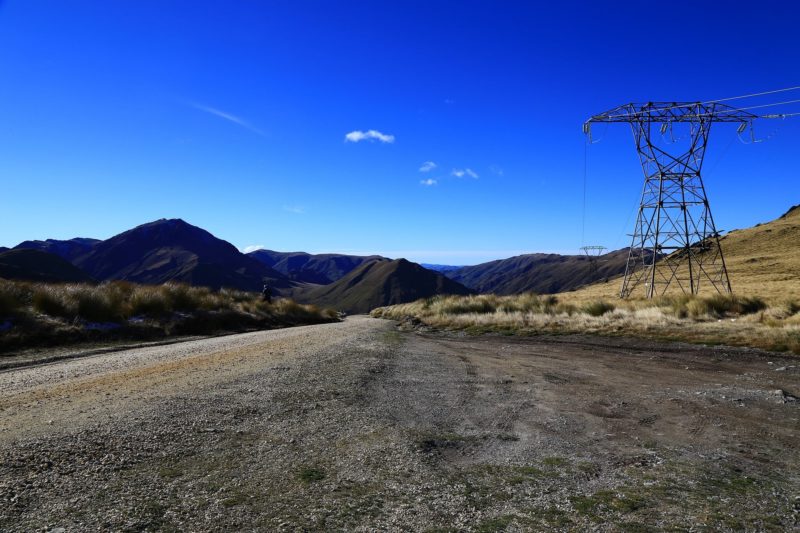
Electra owns and operates the electricity lines and assets in the Kapiti and Horowhenua districts located north of Wellington, New Zealand, and has distributed electricity to these regions for more than 70 years. Electra is the 9th largest electricity lines company in the country.
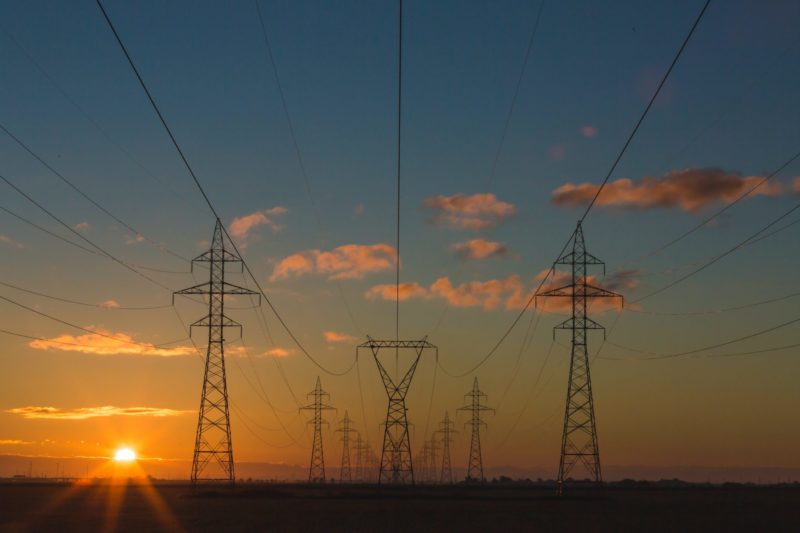
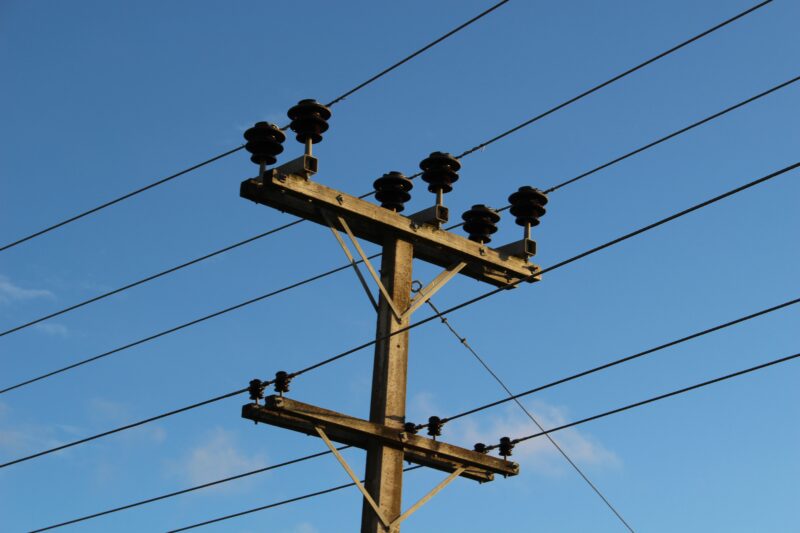
The high voltage National Grid distributes power from its generation source via substations, transformers, lines and cables that are managed by electricity distributors such as Electra to low voltage equipment, which connects over a meter to homes and businesses.
Electra wanted to enhance their low voltage monitoring capability. Their primary goal was to more efficiently identify and locate outages and improve their customer service. Previously, real-time monitoring was limited to the high voltage network only.
To improve power network outage event identification and restoration, Electra developed and deployed Internet of Things (IoT) Phase Loss Sensors across the low voltage network. These sensors provide data that Electra does not have access to and are connected via a private LoRaWAN network available throughout the region.
An event is detected when voltage traverses 160vac and a message is sent to the private IoT server cluster that securely manages the IoT gateways and device registration. The IoT server cluster forwards a MQTT (MQ Telemetry Transport) message to FME Flow, where an automation is triggered via webhook to parse the message into MultiSpeak and send it to the Milsoft Outage Management System (OMS) Server as either “Power Loss” or “Power Restored”. These events are used by the OMS Outage Prediction Engine in identifying the likely location of a fault.
Using FME to parse and send messages to the OMS and other services reduced complexity, increased data accessibility, and improved overall processing performance. With the incredibly scalable nature of the Phase Loss Sensor Integration project, the current deployment of 200 phase loss sensors can be extended into the millions with ease and support consistent and continuous improvement to customer service.
By utilising FME to integrate IoT sensor data into outage management workflows, utilities can extend real-time network visibility all the way to the low voltage edge, improving fault detection speed, reducing manual investigation, and building a monitoring infrastructure that grows with their network rather than against it.
Powered by Locus Expertise
Electra wanted to enhance their low voltage monitoring capability. Their primary goal was to more efficiently identify and locate outages and improve their customer service. Previously, real time monitoring was limited to the high voltage network only.